





Pokiesurf Casino Review: What To Check First
The fastest way to feel safe on a new casino is checking the boring screens before the fun ones. Account menu, limits, cashier, history, support - in that order. If you can find those in under a minute, you already know the platform respects your time.
If you are in Australia and you open the site on your phone while waiting for a ride, do a quick “four-screen lap”. Tap to your profile, then to limits, then to the cashier, then to transaction history. If any page takes ages to load or keeps bouncing back, that is your signal to keep the first session small and short.
A lot of people start by hunting for the “best slot” and only later wonder why a withdrawal feels stressful. Flip it. Know how money moves first, then play. It sounds cautious because it is.
One more thing: don’t treat random comments online as a verdict. Use them as hints, then verify with your own small test. Your bank, your device, your verification status - all of that changes the outcome.
A Two-Minute Profile Cleanup
Open your profile page and scan it like you are looking for typos. Name spelling, date of birth format, address style, and the email you can actually access. If your payout method uses your full legal name, match that format here too.
Imagine you sign up fast between meetings and you shorten your surname because “it’s obvious”. Later you request a payout and the system asks for extra proof because the name doesn’t match perfectly. Fixing it early is cheaper than arguing later.
Once it’s correct, leave it stable. Constant edits can look suspicious to automated checks, even when you are just “trying to make it neat”.
Limits And Break Buttons Before You Spend
Set a deposit cap before you add funds. Then set a session reminder. If there is a time-out or self-exclusion option, locate it now, even if you never plan to use it. Knowing where it is can be calming on its own.
Picture a typical evening: you lose a few rounds, you feel annoyed, and your hand wants to top up. A cap interrupts that impulse. A reminder interrupts the “I’ll stop in five minutes” lie. Small tools, big effect.
Account Setup In Australia: Clean Start, Less Friction
When access is available in Australia where permitted, the smoothest experience comes from consistency. One device for the first week, one payment route, and profile details that don’t change every day. It’s not exciting, but it reduces the number of “why is this pending” moments.
If you are registering on mobile, slow down at the password step. Use something unique and protect the email inbox tied to the account. Password reset emails land there, so a weak inbox becomes the weak link.
Now a tiny scenario: you sign in on a shared laptop “just once”, you close the lid, and the session stays open. That’s how accounts get compromised without any hacking. Log out when you stop, every time.
Quick Verification Prep Without Drama
If the platform asks for identity checks, treat it like taking a passport photo, not like taking a selfie at a party. Daylight, steady hands, full document edges visible. One clean upload. Then you wait.
If you upload five versions because you are nervous, you can confuse the queue. Better move: upload once, note the time, and let support tell you if anything else is needed.
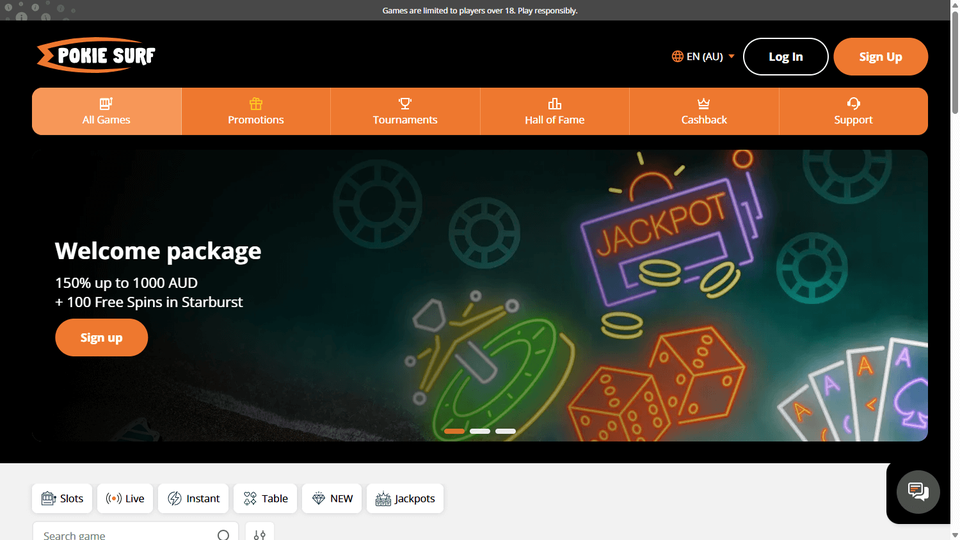
Game Lobby And Session Planning On Pokiesurf

The lobby should help you choose quickly, not trap you in endless scrolling. Your best test is simple: can you search, favourite a game, and return to it tomorrow in two taps. If yes, you can run short sessions without losing time.
Suppose you have ten minutes before dinner. You open the lobby and you start scrolling. Ten minutes disappear. Instead, use search, pick one title, and play a short set with a fixed stake. When your timer rings, stop. This is what “mobile-friendly” should feel like.
If live streams are offered, treat them like a separate category. They depend on connection quality, and on mobile data they can stutter. Stutter plus countdown timers equals rushed decisions, and rushed decisions are rarely good.
Here’s another micro-scenario: you rotate your phone and the game reloads, resetting your stake panel. Don’t fight it. Stick to one orientation for that session and save the fiddly titles for desktop.
Slots For Short, Predictable Sessions
Slots suit quick breaks because they load fast and you can stop at any time. Set a unit stake you can live with, spin a small set, then quit. If autoplay exists, use it with a leash - small spin count and a stop-loss for the session.
Imagine you are bored and you think “one bigger spin will make it exciting”. That thought is the start of escalation. Better move: switch to a different game with the same stake or end the session. Novelty is cheaper than raising bets.
Tables And Live Rooms When You Can Focus
Table games reward attention. If you are multitasking, save them for later. Live rooms add urgency because the round starts whether you are ready or not. Watch one round with no bet first and see how stable your stream is.
Picture yourself on a train: the stream freezes, the timer keeps moving, you feel pressure. That is not the moment to “push through”. Switch to a non-stream game for that session and come back later on Wi-Fi.
Bonuses And Promotions: Use Them Or Skip Them
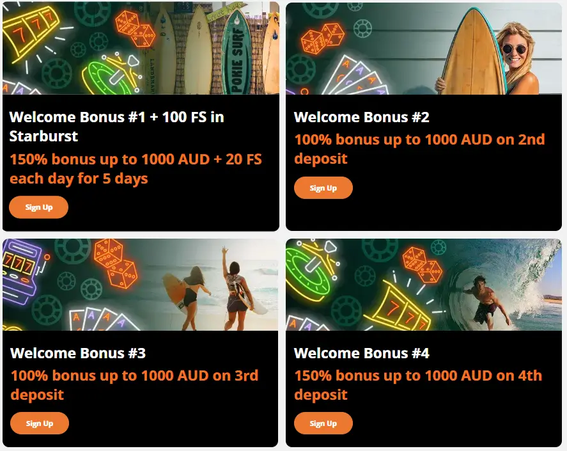
Promos are not free money. They are rules with a bright banner. The headline number is not what matters. The conditions are what decide whether the offer fits your style.
Start with your budget, not the offer. Decide what you are willing to deposit first. If a deal only looks good when you stretch your budget, skip it. You can play with cash funds and keep the session simple.
Now check the four basics: wagering target, max stake rules, time window, eligible games. You don’t need to read every line, but you do need those numbers. If you can’t find them quickly, treat the offer as friction.
A common scenario: you opt in, you jump into a game that doesn’t count, and later you wonder why progress barely moved. Avoidable. Pick eligible titles, favourite them for the promo session, and don’t wander.
And don’t let a promo run your evening. If you notice yourself chasing the requirement instead of enjoying the play, pause. Switch to a cash session or end the night. Grinding is not the goal.
Cashier Routine: Deposits, Cashouts, And Records
Trust comes from a clean paper trail. Deposit, history entry, short play, small withdrawal test, status check. That loop is your reality check, especially when you are new to a platform.
If you are in Australia, remember that banks and wallets can add their own checks. A deposit might ask for extra confirmation. A withdrawal might take longer near weekends. Plan around that instead of refreshing the page every ten minutes.
Here’s a micro-scenario: you make a deposit, the balance updates, but history doesn’t show the entry instantly. You panic and deposit again. Now you have two deposits. Better move: wait a minute, refresh once, and check history again before doing anything else.
Pick one deposit route and stick with it for a week. Same for payouts. Switching methods mid-process creates confusion and can trigger extra review steps.
Method Type | Best For | Deposit Behavior | Cashout Behavior | Typical Friction | Simple Habit |
|---|---|---|---|---|---|
Bank Card | Quick top-ups | Often fast | Can vary | Limits, name mismatch | Match profile details first |
Bank Transfer | Planned funding | Varies | Can vary | Cutoff times | Save reference details |
E-Wallet | Convenience | Often fast | Often faster | Wallet verification | Verify early, keep consistent |
Voucher | Budget control | Often instant | May be deposit-only | Payout route rules | Choose cashout route upfront |
Crypto Transfer | Flexibility | Network-dependent | Network-dependent | Wrong network | Double-check network selection |
After any money action, open history and confirm the entry exists. Deposit, then history. Withdrawal request, then history. This habit keeps you grounded in facts, not feelings.
When you request a payout, submit once and stop clicking. Cancel-and-resubmit behavior muddies the trail and can slow checks. If you need help, contact support with a timestamp, method, and the exact status text.
The Healthy Way To Wait
Check status once or twice per day. Not every five minutes. If you submit near the weekend, expect slower movement. That’s not a trick, it’s timing.
Imagine you requested a withdrawal late Friday and you refresh the page Saturday morning like it’s a delivery tracker. You will only build stress. Better move: set a reminder to check later and do something else.
Mobile Safety Tools And Session Discipline
Mobile play is convenient, but convenience can turn into careless clicking. So you build small guardrails: timer, fixed unit stake, muted notifications, and quick access to limits.
Say you are about to confirm a deposit and a notification pops up. You tap the screen, the pop-up closes, and the button shifts under your thumb. That’s a real-world misclick trap. Close banners first, then confirm.
Keep your battery healthy during money actions. Low battery makes people rush. Rushing makes people make mistakes. If you are under twenty percent, plug in or stop.
Also, consider doing cashier actions only when seated. Deposits and withdrawals deserve your full attention for thirty seconds. That is not overkill, it’s basic hygiene.
Home Screen Shortcut And Logout Habit
If you want one-tap access, pin a shortcut to your home screen. It feels app-like and saves time. Pair it with one rule: log out when you stop.
Picture you sign in on a shared device, close the browser, and leave the session active. That’s not “bad luck”. That’s forgetting to log out. Two taps prevents it.
When To Use Time-Out Features
Time-out tools are for moments when you feel chase mode or irritation. If your planned session ended and you still want to keep going, that’s a signal. Use a short break, then decide again later.
Imagine you already broke your timer once tonight. A time-out gives you a clean stop without negotiation. It’s a protective tool, not a punishment.